Why Essayora Focuses Only on Essay Lengthening and Humanizing (What's Coming)
Discover why Essayora focuses on essay lengthening and human-like clarity. Learn how its 2026 updates help writers create original, natural, high-quality essays.
 Reviewed by: Nina Harwood
Using AI writing tools over the years can create insecurity about whether your essays will get full marks.
Many believe that humanization, the natural flow and feel of writing is something only humans can achieve. But this is becoming a myth.
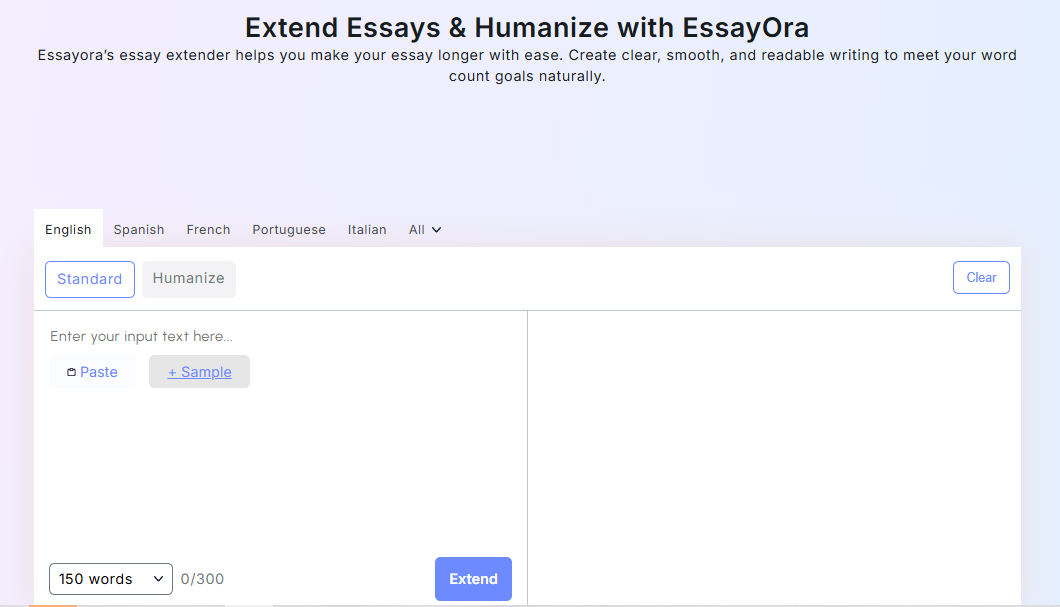
If you want to write essays that earn high grades or create compelling content for new projects, Essayora is an excellent tool. It delivers fast results while keeping the writing natural and human-like.
In this article, I’ll explain why Essayora focuses specifically on extending essay lengths and humanizing sentences that might otherwise feel robotic or AI-generated.
This focus comes down to just two things:
Essay lengthening
Human-like clarity
As Essayora moves toward its 2026 updates, this focus becomes even more evident.
This guide will show:
Why Essayora stays focused by design
What’s improving in 2026
How these updates help writers create better essays without losing originality
Why Essayora doesn’t try to do everything
Most AI tools want to be everything at once.
- Writing.
- Rewriting.
- Summarizing
- Storytelling
- SEO content
That sounds powerful.
But in practice, it causes problems.
From my experience, writers don’t need more tools.
They need one tool that does one thing well.
Essayora solves a very specific problem:
You already have ideas.
But they feel short.
Under-explained.
Or unclear.
Essayora doesn’t invent ideas.
It develops the ones you already wrote.
That’s why it avoids features that dilute focus.
No random creativity.
No off-topic expansion.
No forced storytelling.
Just clear, meaningful lengthening.
What Essayora already does right (from my experience)
Before talking about what’s coming, it’s important to understand the base.
Here’s what worked for me immediately.
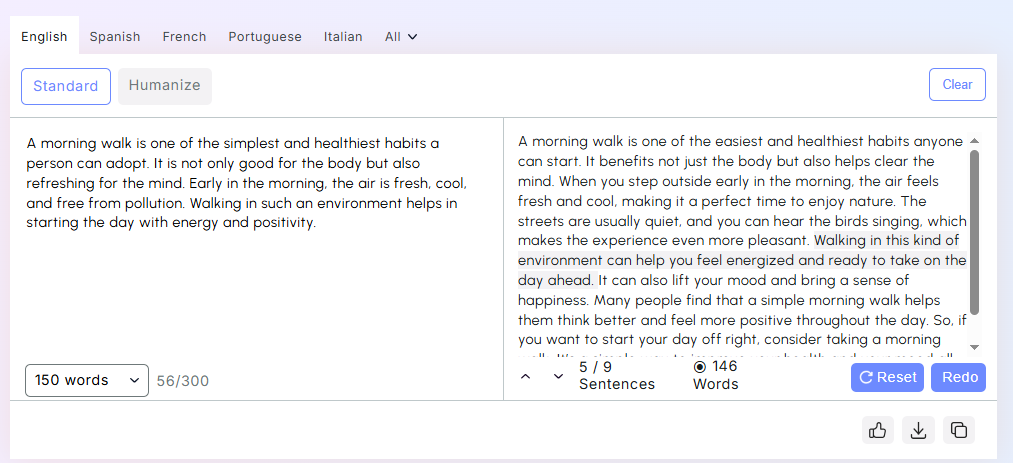
1. It expands meaning, not sentences
Many tools stretch a sentence like rubber.
Essayora doesn’t.
It asks:
“What is the idea here?”
Then it explains that idea properly.
Each added line supports the original thought.
2. The writing feels human, not stitched
This was the biggest difference for me.
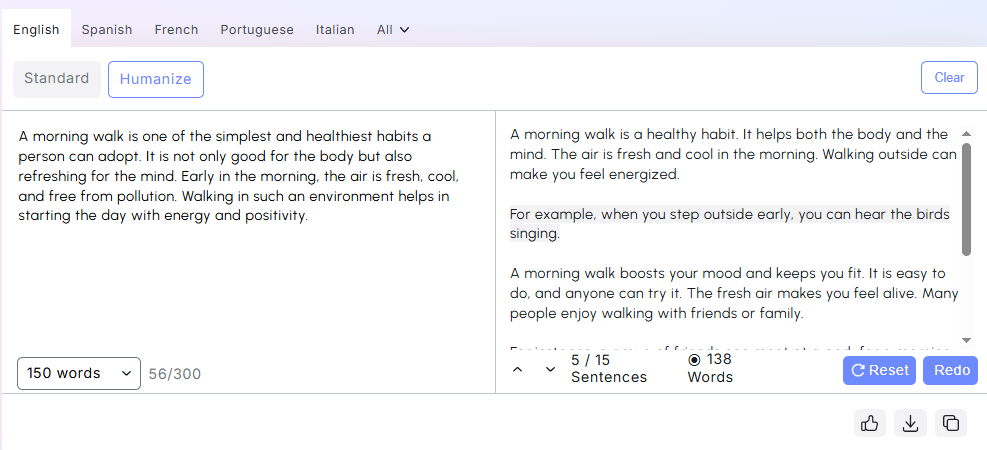
The output doesn’t feel patched together.
No robotic loops.
No repeated phrasing.
No obvious AI patterns.
Paragraphs flow like a real explanation written by a human.
That matters a lot in academic and professional writing.
3. It respects academic structure
Essayora understands essays.
Essay introductions stay introductions.
Explanations stay explanations.
Analysis stays analytical.
It doesn’t drift into storytelling unless the paragraph already suggests it.
This makes it safe for:
- Students
- Researchers
- Bloggers writing long-form guides
Why Essayora is doubling down in 2026
The 2026 updates are not about adding flashy features.
They’re about refinement.
The question Essayora is answering is simple:
“How can we help writers explain ideas more clearly without changing their voice?”
Here’s what’s improving.
What’s coming next for Essayora
1. Stronger context awareness across sections
Previously, Essayora focused mainly on the paragraph you gave it.
Now, it understands how sections connect.
This helps when writing long essays where:
- One paragraph introduces an idea
- The next explains it
- The next analyzes it
Essayora now keeps that chain intact.
2. Better tone matching by essay type
Tone mismatch is a silent essay killer.
In 2026, Essayora improves tone alignment for:
Where, formal stays formal.
Neutral stays neutral.
Informative stays informative.
This is critical for academic submissions.
3. Cleaner sentence-to-sentence transitions
Weak transitions make paragraphs feel padded.
Essayora now improves how sentences connect inside a paragraph.
The result:
- Smoother flow
- Clearer explanations
- No repeated ideas
Expanded paragraphs feel finished, not stretched.
4. Improved intent preservation
Intent preservation is Essayora’s strongest feature.
The 2026 improvements make it even tighter.
Essayora now:
- Tracks the core purpose of a paragraph
- Avoids drifting into side ideas
- Stops expansion at the right point
If you’re defining something, it won’t suddenly explain examples unless context demands it.
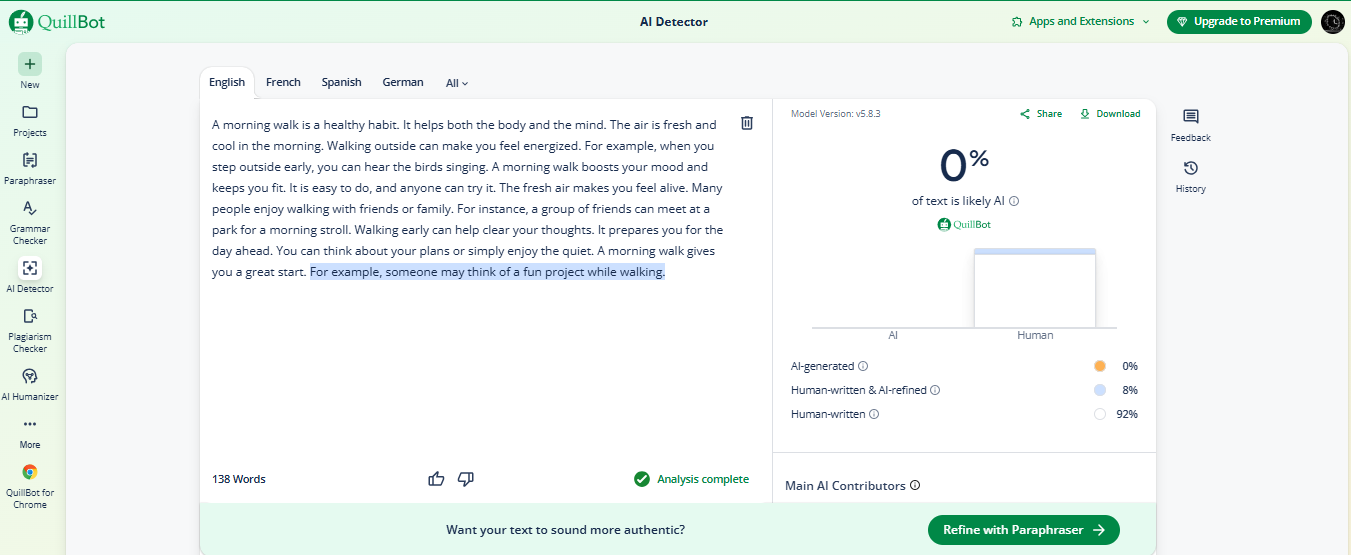
That keeps essays accurate and here is the AI free proof from Quillbots AI detection toolaccurate.
5. Better handling of short drafts and notes
Many writers start with:
- Bullet points
- Rough notes
- Half-written thoughts
Essayora now converts these into balanced paragraphs without overdoing it.
Clear explanations.
Controlled length.
No fluff.
Perfect for first drafts and revisions.
How this helps real writers
These improvements don’t add complexity.
They remove friction.
From my experience, Essayora helps writers:
- Explain ideas clearly
- Strengthen weak sections
- Maintain originality
- Submit work with confidence
- You still write the ideas.
- Essayora helps you say them properly.
- Allows you to write essay on mobile phones
That balance is rare.
Final thoughts
From my experience, Essayora isn’t trying to do more in 2026. It’s trying to do better. By focusing solely on essay lengthening and human-like clarity, it avoids the common mistakes most AI tools make.
It doesn’t replace your voice; it supports it, helping you maintain structure, originality, and readability.
Genuinely, if you care about writing that feels human written and precise, Essayora’s usage makes perfect sense.
With the upcoming improvements, it’s becoming an even more reliable tool for serious writers who want real writing, not just artificial output.